
The Rest of Central Region (RCR) — Singapore’s mid-market private residential belt covering districts such as Toa Payoh, Queenstown, Geylang, and Novena — recorded average transacted prices crossing $2,500 psf in Q1 2026, according to URA flash estimates released on 1 April 2026. For a segment long positioned as the more accessible entry point between the prime Core Central Region and the suburban Outside Central Region, crossing that threshold signals something worth examining carefully.
RCR non-landed prices edged up 0.9% quarter-on-quarter in Q1 2026, following a 0.7% gain in Q4 2025, per Business Times reporting on URA flash data. This occurred even as new sale transaction volumes fell sharply — down 76.6% quarter-on-quarter to just 357 units across all regions, based on ERA’s analysis of the same URA flash estimates. Fewer deals, but prices held firm. That divergence is the real story.
Key Takeaways
– RCR non-landed private residential prices rose 0.9% quarter-on-quarter in Q1 2026, extending the 0.7% gain in Q4 2025 (Source: URA flash estimates, 1 April 2026)
– The $2,500 psf floor reflects embedded land and construction costs, not sentiment-driven demand
– RCR price appreciation across key districts ranged from 9% to 14% over three years measured against Q1 2023 (Source: URA Realis, Q1 2026)
– Zero new launches were recorded in RCR during Q1 2026, making resale and subsale inventory the primary available supply
Understanding the RCR Price Floor in 2026
The $2,500 psf floor in RCR has held even as transaction volumes contracted sharply. Two consecutive quarters of price appreciation against thinning deal flow points to a supply-side anchor, not demand-driven momentum.
Land cost is the primary mechanism. Government Land Sales (GLS) — the programme through which the Singapore government releases state land for private residential development — have consistently priced RCR sites at levels that make sub-$2,500 psf launch prices financially unviable for most developers. Recent central fringe sites attracted tender bids in the range of $1,000 to $1,300 psf per plot ratio, based on Singapore Land Authority (SLA) tender results published through 2024 and 2025. When land alone accounts for roughly 40–50% of a project’s breakeven cost, developers hold prices rather than discount.
A secondary factor: the HDB resale price index edged down 0.1% in Q1 2026 — its first decline in nearly seven years, per Business Times reporting on flash data — which could ordinarily soften RCR entry-level demand. Yet RCR prices did not follow. This suggests the floor is sustained by holding power among existing owners and a near-absence of distressed inventory, not upgrader flow alone.
Practical takeaway: Price softness in RCR, if it materialises, is more likely to appear in transaction volumes than in headline psf figures — based on Q1 2026 URA flash data trends.
How Land Cost and Construction Expenditure Influence RCR Pricing
Construction costs compound land acquisition expenses. The Building and Construction Authority (BCA) reported in its 2025 Construction Industry Outlook that tender prices for building works remained elevated at $380–$450 per square foot of gross floor area — approximately 18% above pre-pandemic norms.
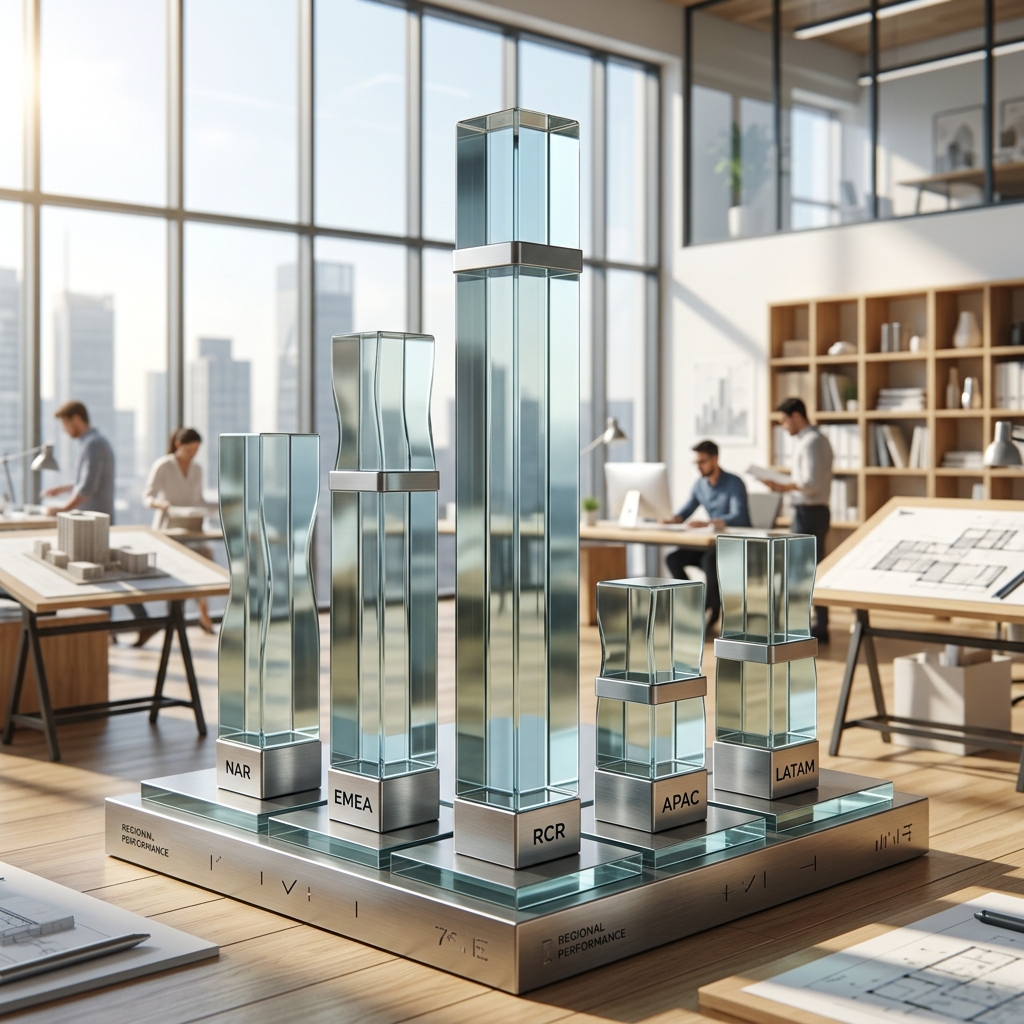
The district-level data below illustrates how these cost structures have translated into sustained pricing across key RCR submarkets.
| District | Average PSF (Q1 2026) | 3-Year Appreciation | Key Drivers |
|---|---|---|---|
| D03 – Tiong Bahru/Alexandra | $2,750 | 14% | MRT interchange proximity, heritage lifestyle appeal |
| D08 – Farrer Park/Little India | $2,520 | 9% | Healthcare cluster, Little India MRT connectivity |
| D12 – Balestier/Toa Payoh | $2,480 | 11% | HDB upgrader demand, Toa Payoh hub adjacency |
| D14 – Geylang/Paya Lebar | $2,610 | 13% | Paya Lebar commercial rejuvenation, transport nodes |
Source: URA Realis, Q1 2026. Appreciation measured against Q1 2023 transacted median PSF. Non-landed private residential only.
Buyers should note that tenure differences — freehold versus 99-year leasehold — can meaningfully skew PSF comparisons within the same district. A 500-unit 99-year leasehold development and a 50-unit freehold project are not directly comparable benchmarks, yet both appear in aggregate RCR figures.
Practical takeaway: Prevailing PSF levels in RCR reflect embedded development costs — significant price corrections would require a simultaneous collapse in land values and construction costs, neither of which current government data supports.
RCR Performance Against OCR and CCR Over Three Years
RCR has demonstrated the most consistent price resilience across all three regions over the past three years. According to URA flash estimates released on 1 April 2026, RCR and OCR (Outside Central Region, covering suburban districts) both posted 0.9% quarter-on-quarter gains in Q1 2026, while CCR (Core Central Region, covering prime districts 9, 10, 11, and the Downtown Core) posted a more modest 0.5% increase.
CCR has faced persistent headwinds from the 60% Additional Buyer’s Stamp Duty rate applied to foreign purchasers since April 2023, which materially compressed transaction volumes and slowed price growth in prime districts. RCR’s consistency — without the foreign buyer base that CCR depends on — makes its price floor structurally more stable.
Developer pricing strategy reinforces this. Developers managing unsold units face Additional Buyer’s Stamp Duty (ABSD) remission deadlines under the Stamp Duties Act, which creates pressure to sell within five years of acquiring land. However, where timelines allow, most elect to defend price levels — knowing that discounting one project can reprice comparable inventory across an entire submarket.
Practical takeaway: RCR’s three-year price trajectory reflects cost-anchored resilience rather than cyclical demand swings, making it structurally distinct from both OCR and CCR in how it responds to market stress.
Risks and Considerations
Supply Absorption Risk: A pipeline of new RCR launches — estimated at over 4,000 units based on URA’s GLS programme data as of Q2 2025 — could test demand absorption if global economic conditions soften.
Interest Rate Sensitivity: Based on MAS data (Q1 2025), the average outstanding residential loan rate remains above 3.5%. Stress-test financing against a 50–100 basis point rate increase before committing to any purchase quantum.
Policy Intervention Risk: Any tightening of ABSD rates or Total Debt Servicing Ratio thresholds could dampen demand and, subject to market conditions, exert downward pressure on prices.
Rental Yield Compression: As RCR capital values hold firm, rental yields — historically ranging between 2.8% and 3.5% based on URA Realis data (2023–2024) — may compress further if rental growth plateaus. This may affect profiles such as income-focused investors.
Macroeconomic Headwinds: Projected price stability is based on historical trends and remains subject to broader global conditions, including trade disruptions and employment market shifts that could alter buyer sentiment.
Frequently Asked Questions
Why are RCR prices not dropping despite low transaction volume?
Developers are structured to hold pricing rather than discount. Land costs alone account for roughly 40–50% of breakeven, with recent RCR GLS sites attracting bids of $1,000–$1,300 psf per plot ratio based on SLA tender results through 2024 and 2025. A discount deep enough to stimulate volume would destroy project viability.
What is the average PSF for RCR condos in Q1 2026?
According to URA Realis data for Q1 2026, non-landed private residential prices range from approximately $2,480 psf in D12 (Balestier/Toa Payoh) to $2,750 psf in D03 (Tiong Bahru/Alexandra), reflecting three-year appreciation of 9–14% depending on submarket.
How does RCR growth compare to CCR and OCR?
Per URA flash estimates released on 1 April 2026, RCR and OCR both gained 0.9% quarter-on-quarter in Q1 2026, while CCR grew 0.5%. CCR demand suppression since the April 2023 ABSD increase on foreign buyers has widened this gap over time.
Will construction costs fall and make new RCR launches cheaper?
Based on BCA’s 2025 Construction Industry Outlook, building tender prices remain approximately 18% above pre-pandemic norms, with no near-term deflation signalled. Meaningful launch price reductions would require both land values and construction costs to fall simultaneously — a scenario not supported by current government data.
Is there room to negotiate in the current RCR market?
The absence of new launches in RCR during Q1 2026 means resale and subsale inventory currently dominates available supply. Low-volume environments can offer more negotiation latitude than high-launch-activity quarters — though outcomes depend on individual asset characteristics, seller holding power, and prevailing loan eligibility under Total Debt Servicing Ratio limits.
Need Clarity on Your Next Property Move?
One message. No obligations.
Data Sources: All figures sourced from URA, HDB, BCA, MAS, and SLA official publications, supplemented by Business Times and ERA research. Data current as of April 2026.
Agent: Joe Chow | CEA Reg No.: R072635C
Agency: SRI Pte Ltd | Licence: L3010738A
Contact: +65 8098 0916
This article is for general reference only and does not constitute financial, legal, or investment advice. Verify all details with relevant authorities before making decisions.