
With landed residential supply comprising less than 5% of Singapore’s total housing stock as of early 2026, understanding the impact of recent Government Land Sales (GLS) pipeline shifts is critical for long-term wealth preservation. This scarcity is not merely a statistical anomaly but a structural characteristic of the local real estate market that defines the entry barriers and capital appreciation potential for high-net-worth individuals. As the Ministry of National Development (MND) and the Urban Redevelopment Authority (URA) released the H1 2026 GLS programme details, a clear trend has emerged: the government is prioritising high-density residential developments to meet growing demand for private housing, while the inventory of landed homes remains largely stagnant.
- Landed properties represent less than 5% of Singapore’s housing stock with only 73,600 private landed units, creating extreme scarcity that supports long-term capital preservation for high-net-worth investors
- Freehold landed properties delivered 25% to 35% capital appreciation over 5 years to Q4 2025, significantly outperforming leasehold landed properties which grew 15% to 22% over the same period
- The H1 2026 GLS programme offers 3,940 new high-density units but zero landed plots, reinforcing the supply ceiling that acts as a fundamental price support pillar for existing landed assets
For the sophisticated investor, the lack of new landed housing sites in the H1 2026 Confirmed List signals a tightening of the primary market supply. According to data from the Singapore Department of Statistics (SingStat) and URA, the total number of landed units has historically grown at a much slower rate compared to non-landed private apartments. By early 2026, the market has seen a continued focus on maximising land-use efficiency through high-rise developments in areas such as Holland Plain and River Valley. This strategic direction by the authorities reinforces the value proposition of existing landed assets, particularly those with freehold or 999-year leasehold tenures. Landed property in Singapore represents the pinnacle of the residential hierarchy, offering a level of privacy, autonomy, and land ownership that cannot be replicated in strata-titled developments.
Current Landed Property Supply Trends in Singapore
The landscape of landed property in Singapore is defined by its extreme finite nature. Based on URA Realis data as of Q4 2025, the total stock of private landed properties stood at approximately 73,600 units, a figure that has remained relatively stable over the past decade. This stands in stark contrast to the non-landed segment, which has seen tens of thousands of new units added through the GLS programme and private en-bloc sales. The scarcity of land in Singapore necessitates a policy focused on high-density living, which means that the creation of new landed housing enclaves is an infrequent occurrence.
Secondary market observations for Q1 2026 suggest that the resale channel remains the primary vehicle for landed property transactions. Historical data from URA indicates that while the overall volume of private residential transactions may fluctuate based on cooling measures and interest rate environments, the landed segment often exhibits a lower velocity of trade. This is primarily because landed properties are frequently held as multi-generational assets rather than speculative investments. Based on historical trends and subject to market conditions, the supply of Good Class Bungalows (GCBs), semi-detached houses, and terrace houses is unlikely to see significant expansion, as the government continues to focus on redeveloping existing land for more intensive use.
The profile of landed property owners has also shifted towards long-term capital preservation. For those reviewing the (https://jjproperty.com.sg), it is evident that supply-side constraints are the most significant structural driver of value in this segment. While non-landed developments are subject to the vagaries of the GLS pipeline, landed properties benefit from a supply ceiling that ensures even during periods of broader market correction, the unique nature of land ownership may provide a buffer against significant price erosion.
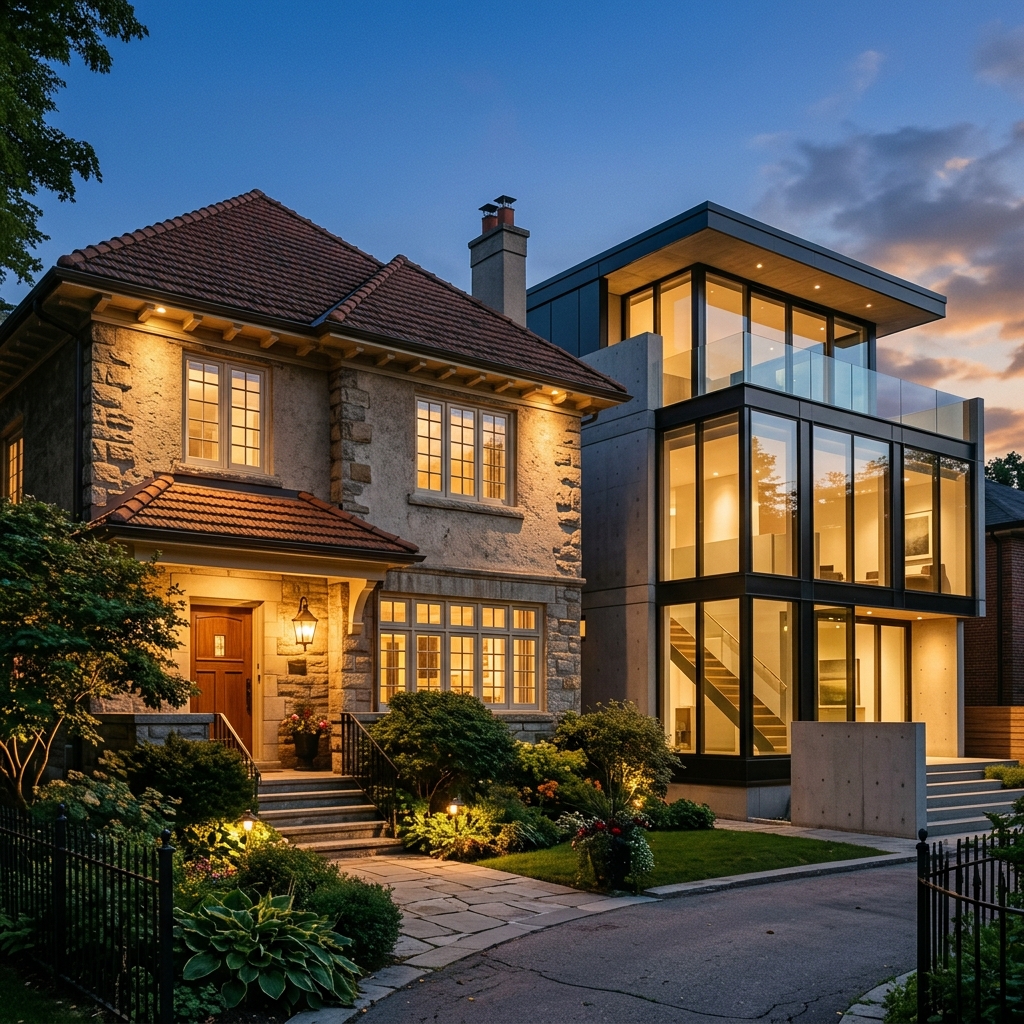
Practical takeaway: Investors should view the lack of new landed supply as a fundamental support pillar for prices, making existing landed assets a consideration for long-term wealth stability for profiles such as high-net-worth families with multigenerational planning horizons.
Impact of Q1 2026 GLS Pipeline Adjustments on Landed Assets
The announcement of the H1 2026 GLS programme by the MND, as reported by the Straits Times on 25 February 2026, highlighted a Confirmed List of 3,940 private housing units. Notably, these units are concentrated in high-density sites such as Holland Plain, which is projected to yield 280 units, and Morrison Lane/River Valley, projected to provide 205 units. The absence of specific landed housing plots in these releases reflects a continued policy of intensifying land use in prime locations.
When the government increases the supply of non-landed homes in areas adjacent to traditional landed enclaves, it often has a dual effect on the value of nearby landed assets. First, the infusion of high-end condominium developments can enhance the overall prestige and infrastructure of the precinct. The development of luxury apartments in the River Valley or Holland Plain areas brings in new amenities, retail options, and improved connectivity. Second, the rising price floor of new-launch condos — which are often priced at a premium due to high land bid prices and construction costs — creates a price-gap effect. As the per-square-foot (PSF) prices of new condos in the Rest of Central Region (RCR) and Core Central Region (CCR) climb, the relative value of landed properties, which offer significantly more land area, becomes more apparent to discerning buyers.
Sentiment among high-net-worth buyers in early 2026 points toward a pivot to land-heavy assets. As the government provides more strata options through GLS releases, the landed option becomes increasingly exclusive by contrast. This exclusivity is a key component of capital allocation frameworks for those looking to hedge against inflation and currency volatility over the medium to long term, based on historical market behaviour and subject to prevailing conditions.
Practical takeaway: The government’s focus on high-density GLS sites indirectly reinforces the scarcity value of nearby landed enclaves by increasing local density without adding to the landed housing stock.

Historical Price Resilience of Freehold Landed Properties
Freehold landed properties in Singapore have historically been regarded as a store-of-value asset class. Unlike leasehold properties, which are subject to lease decay and the eventual return of land to the state, freehold assets offer perpetual ownership. Based on URA Realis data from Q4 2020 to Q4 2025, freehold landed properties have shown an estimated annual capital appreciation trajectory that has historically outpaced the general private residential property index over that period. This resilience has been particularly evident during periods of economic uncertainty, though past performance is not indicative of future results.
Have a question about this? WhatsApp Joe — no obligations, just clarity.
The following table illustrates estimated performance and supply metrics for landed properties based on tenure, reflecting data trends observed up to Q4 2025.
| Property Tenure | Estimated Average PSF Range (2025) | Estimated Historical Growth (5-Year to Q4 2025) | Scarcity Factor (Supply Variance) |
|---|---|---|---|
| Freehold | S$2,400 – S$3,800 | 25% – 35% | Extremely High (Near Zero New Supply) |
| 99-Year Leasehold | S$1,600 – S$2,200 | 15% – 22% | Moderate (Occasional GLS/Cluster Housing) |
Source: Estimated ranges based on URA Realis transaction data, Q4 2025. Figures reflect broad market observations and are not specific to any single district or property type. Subject to variation by location and property characteristics.
The estimated historical growth range of 25% to 35% over five years for freehold landed property underscores its role as a premier wealth preservation consideration for qualifying buyers. While leasehold landed properties also experience growth, the scarcity factor for freehold land is the primary differentiator. Most 99-year leasehold landed properties are found in specific enclaves such as Sentosa Cove or as part of older government schemes. In contrast, the bulk of Singapore’s prime landed housing in Districts 10, 11, and 21 consists of freehold or 999-year leasehold titles.
For buyers evaluating (https://jjproperty.com.sg), the historical data suggests that while leasehold can offer relatively higher rental yields in some cases, the capital preservation aspect has been stronger in freehold assets. This is because the underlying land value of a freehold property does not depreciate over time in the way a leasehold title does. Instead, it appreciates as surrounding infrastructure matures and the national scarcity of land intensifies — though this outcome remains subject to market conditions.

Practical takeaway: Prioritising freehold tenure in the landed segment is a historically supported approach for mitigating lease decay risks and maintaining multi-generational asset viability.
Comparison of Prime vs Rest of Central Region Landed Performance
The performance of landed properties varies significantly between the CCR and the RCR. Prime districts such as District 10 (Bukit Timah, Holland Road) and District 11 (Newton, Novena) have long been the benchmark for landed housing. The scarcity of detached and semi-detached plots in CCR districts often makes them primary targets for multi-generational wealth preservation despite broader market volatility. In these areas, the total transaction quantum is typically a more relevant measure than PSF price alone, as buyers are paying for prestige and sizable land area in tandem.
RCR districts such as District 15 (East Coast, Marine Parade) and District 20 (Bishan, Ang Mo Kio) offer a different value proposition. District 15, in particular, has seen sustained popularity due to its lifestyle appeal and progressive stages of the Thomson-East Coast Line (TEL). Landed properties in District 15 have historically shown strong price resilience, driven by consistent demand from affluent local families who value proximity to established schools and the coastline. Based on URA Realis data from 2025, the price gap between CCR and RCR landed properties has narrowed slightly, reflecting increased buyer interest in city-fringe landed assets as a value-oriented alternative, within a five-year comparison window across semi-detached and terrace categories (Source: URA Realis, Q4 2025).
The CCR nonetheless commands a significant premium. For a high-net-worth individual, a GCB in District 10 represents more than a primary residence; it functions as a trophy asset with a global profile. The performance of these prime assets has historically been less correlated with the broader economy and more influenced by the concentration of global wealth domiciled in Singapore. Even as the RCR sees greater development through the GLS pipeline, the established nature of CCR landed enclaves means they remain relatively insulated from new supply pressures.
Practical takeaway: While RCR landed properties offer compelling lifestyle attributes and historically solid growth, CCR assets remain the reference point for those focused on absolute scarcity and global-tier prestige.

Strategic Considerations for Capital Preservation
When allocating capital toward Singapore landed property in 2026, several strategic frameworks merit consideration. First, the land-to-built ratio is a critical metric. Buyers often seek properties with a high land-to-built ratio, as the primary value lies in the land itself. A property with an older structure but a large, regularly shaped plot offers the potential for significant value-add through Additions and Alterations (A&A) or a complete rebuild, allowing the owner to customise the asset to modern luxury standards while benefiting from underlying land appreciation over time.
Second, foreign ownership rules are a paramount regulatory consideration. Under the Residential Property Act, non-Singapore Citizens — including Permanent Residents — must seek approval from the Land Dealings Approval Unit (LDAU) of the Singapore Land Authority (SLA) before purchasing landed residential property (Source: SLA, current as of 2026). This restriction naturally limits the buyer pool but also ensures the market is not materially influenced by external speculative flows. For Singaporean citizens, this creates a domestically protected asset class underpinned by national policy.
Third, the lifestyle positioning of the asset must align with the buyer’s long-term goals. Landed properties offer a degree of flexibility that strata-titled developments cannot replicate — whether the ability to install solar panels, create a private garden, or accommodate a growing multi-generational household. Based on historical resale cycles, these qualitative factors contribute meaningfully to an asset’s desirability, often enabling sellers to command a premium over the prevailing market rate in comparable transactions.
We note that the above frameworks are most applicable to profiles such as long-term owner-occupiers and multi-generational families, rather than short-horizon investors.
Practical takeaway: Focus on the underlying land value and the potential for structural upgrades, as these are the primary drivers of long-term capital preservation in the landed segment.
Risks and Considerations
Landed property is a prestigious asset class, but it carries specific risks that must be managed through careful due diligence and strategic planning.
- Liquidity Risk: Landed properties typically carry a higher entry quantum compared to non-landed homes. Based on market observations in Q1 2026, the time required to transact a high-value landed asset can be significantly longer than for a mass-market condominium.
- Mitigation: Buyers should ensure they have a long-term holding horizon and sufficient liquidity across other asset classes to cover short-term cash flow requirements.
- Maintenance and Structural Depreciation: While land appreciates, the physical building is a depreciating asset requiring consistent maintenance. Older landed properties may face issues with pest management, roofing, and plumbing, all of which can be materially costly.
- Mitigation: Commission a thorough professional building inspection before purchase and set aside a sinking fund for periodic A&A works to maintain the property in optimal condition.
- Policy and Regulatory Shifts: The Singapore government actively manages the residential market through instruments such as Additional Buyer’s Stamp Duty (ABSD) and Total Debt Servicing Ratio (TDSR) limits. Any revision to these policies, as demonstrated in prior market cycles, can affect transaction volumes and price trajectories.
- Mitigation: Maintain a conservative Loan-to-Value (LTV) ratio and monitor regulatory developments through official URA and MAS announcements.
- Interest Rate Volatility: Landed property purchases often involve significant debt exposure. Although rates may have stabilised by 2026, any unexpected upward movement can increase the cost of holding the asset.
- Mitigation: Consider fixed-rate mortgage packages or ensure the investment thesis accounts for a higher interest rate environment under stress-test scenarios.
Data Sources
The insights and data presented in this article are derived from the following sources:
- Government Agencies (Tier 1): URA Realis transaction data (Q4 2020 – Q4 2025); MND GLS Programme announcement, H1 2026; Singapore Land Authority (SLA) landed property ownership guidelines, current as of 2026.
- Established Media (Tier 2): Straits Times report on H1 2026 GLS pipeline, 25 February 2026; Business Times analysis of residential supply trends, Q1 2026.
- Industry Research (Tier 3): EdgeProp market summaries on the H1 2026 GLS programme; CBRE Research Q4 2025 residential commentary.
Agent: Joe Chow | CEA Reg No.: R072635C
Agency: SRI Pte Ltd | Licence: L3010738A
Contact: +65 8098 0916
This article is for general reference only and does not constitute financial, legal, or investment advice. Verify all details with relevant authorities before making decisions.
Frequently Asked Questions
How much have Singapore freehold landed properties appreciated in 5 years to 2025?
Based on URA Realis data, freehold landed properties showed an estimated 25% to 35% capital appreciation over the 5-year period to Q4 2025, outpacing the general private residential property index.
What percentage of Singapore housing stock are landed properties in 2026?
Landed residential supply comprises less than 5% of Singapore’s total housing stock as of early 2026, with approximately 73,600 units of private landed properties according to URA Realis data.
How many private housing units are in the H1 2026 GLS Confirmed List?
The H1 2026 GLS programme announced a Confirmed List of 3,940 private housing units, concentrated in high-density sites like Holland Plain (280 units) and Morrison Lane/River Valley (205 units), with no landed housing plots included.
What is the price range for freehold landed property in Singapore 2025?
Based on URA Realis transaction data, freehold landed properties had an estimated average PSF range of S$2,400 to S$3,800 in 2025, compared to S$1,600 to S$2,200 for 99-year leasehold landed properties.
Do foreigners need approval to buy landed property in Singapore 2026?
Yes, under the Residential Property Act, non-Singapore Citizens including Permanent Residents must seek approval from the Land Dealings Approval Unit (LDAU) of the Singapore Land Authority before purchasing landed residential property as of 2026.
Need Clarity on Your Next Property Move?
One message. No obligations. We’ll help you see the full picture.